
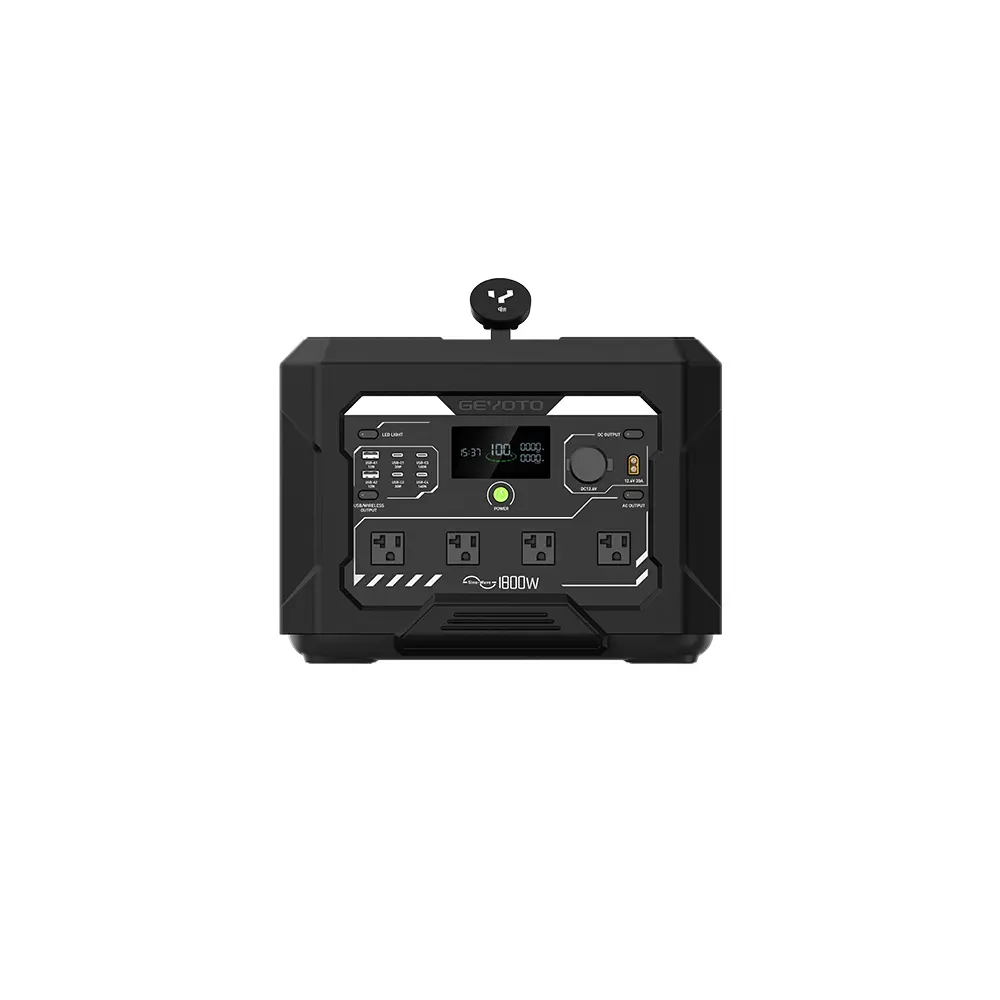
Understanding Portable Power Stations for Emergencies
Portable power stations for emergencies have become essential tools for modern households, especially as power outages, extreme weather events, and grid instability become more common. These compact energy systems store electricity in built-in batteries and allow you to power or charge essential devices when the main electricity supply is unavailable.
Unlike traditional fuel generators, portable power stations for emergencies are quieter, safer for indoor use, and require no gasoline or diesel. This makes them ideal for homes, apartments, camping trips, and disaster preparedness kits. Whether you need to keep your phone charged, run medical equipment, or power a refrigerator temporarily, these systems offer reliable backup energy when you need it most.
Why Portable Power Stations for Emergencies Matter Today
The growing demand for portable power stations for emergencies is driven by several real-world needs. Power outages caused by storms, heatwaves, and grid overloads can last from a few hours to several days. In such situations, having a dependable backup power source can make a significant difference in safety and comfort.
For example, during emergencies, communication becomes critical. A charged phone or internet device allows you to stay updated with weather alerts, emergency instructions, and family contact. Additionally, essential home appliances like fans, lights, routers, and medical devices may require backup electricity. Portable power stations for emergencies provide a practical solution without the noise and maintenance issues of fuel-based generators.
Key Features to Look for in a Portable Power Station
When choosing portable power stations for emergencies, it is important to understand the key features that determine performance and reliability.
Battery capacity is one of the most important factors. Measured in watt-hours (Wh), it determines how long the station can power your devices. A higher capacity means longer backup time for essential appliances.
Output power is another critical factor. This determines what devices you can run. Small stations may handle phones and laptops, while larger models can support refrigerators, medical devices, or even small air conditioners.
Port options also matter. The best portable power stations for emergencies include multiple AC outlets, USB-A, USB-C, and sometimes DC car ports. This allows you to charge or power multiple devices at once.
Recharge methods are equally important. Modern units can be recharged through wall outlets, car chargers, or solar panels. Solar compatibility is especially useful for long emergencies when grid power is unavailable.
Types of Portable Power Stations for Emergencies
There are several types of portable power stations for emergencies, each designed for different needs and budgets.
Small portable units are ideal for charging phones, tablets, and LED lights. These are lightweight and easy to carry, making them perfect for short outages or travel.
Mid-range power stations offer more capacity and can run laptops, fans, routers, and small appliances. These are the most popular choice for household emergency preparedness.
High-capacity power stations are designed for serious backup needs. They can power refrigerators, CPAP machines, and multiple devices at the same time. These models are often used as home backup systems during extended outages.
How Long Portable Power Stations for Emergencies Can Last
The runtime of portable power stations for emergencies depends on the battery size and the devices connected. For instance, a 500Wh unit might charge a smartphone over 30 times or power a Wi-Fi router for more than 8 hours.
Larger 1000Wh to 2000Wh systems can keep a refrigerator running for several hours or even longer, depending on energy usage. However, it is important to calculate your power needs before purchasing a unit to ensure it matches your emergency requirements.
Energy efficiency also plays a role. Devices like LED lights and modern laptops consume less power, allowing the station to last significantly longer during outages.
Advantages of Using Portable Power Stations for Emergencies
One of the biggest advantages of portable power stations for emergencies is their ease of use. There is no need for fuel, oil changes, or complicated maintenance. Simply charge the unit and it is ready to use.
They are also environmentally friendly. Since they rely on rechargeable batteries, they produce zero emissions during operation. When paired with solar panels, they become a clean and renewable energy solution.
Safety is another key benefit. Unlike gas generators, there is no risk of carbon monoxide poisoning, making them safe for indoor use. This is especially important during storms or winter outages when outdoor use may not be practical.
Limitations You Should Be Aware Of
While portable power stations for emergencies are highly useful, they do have limitations. Battery capacity is finite, meaning you must manage power usage carefully during long outages.
Charging time can also be a concern. Larger units may take several hours to fully recharge, especially without fast charging or solar input.
Additionally, high-capacity models can be expensive. However, many users consider them a long-term investment in safety and preparedness.
How to Choose the Best Portable Power Station for Your Needs
Selecting the right portable power stations for emergencies depends on your household energy needs. Start by listing the essential devices you want to power during an outage. This may include lights, phones, Wi-Fi routers, fans, or medical equipment.
Next, calculate their total wattage and estimate how long you need backup power. This will help you determine the minimum battery capacity required.
If you live in an area prone to long outages or natural disasters, investing in a larger, solar-compatible model is highly recommended. On the other hand, for occasional short outages, a smaller and more affordable unit may be sufficient.
Practical Tips for Emergency Preparedness
To get the most out of portable power stations for emergencies, it is important to prepare in advance. Always keep your power station fully charged and store it in an accessible location.
Test it regularly to ensure it works properly and you understand how to operate it. During an actual emergency, you do not want to waste time figuring out settings or connections.
If you have solar panels, practice connecting them to your power station so you are ready for extended outages. Also, prioritize essential devices first to conserve battery life.
The Future of Portable Power Stations for Emergencies
Technology is rapidly improving portable power stations for emergencies. Newer models are becoming more compact, faster to charge, and capable of storing more energy. Lithium iron phosphate (LiFePO4) batteries are also extending lifespan and improving safety.
In the future, we can expect even more efficient solar integration, smarter energy management systems, and AI-based power optimization. These advancements will make emergency power more reliable and accessible for everyone.
Conclusion
Portable power stations for emergencies are no longer luxury gadgets—they are essential tools for modern preparedness. They provide clean, quiet, and reliable backup power when you need it most. By understanding capacity, features, and your own energy needs, you can choose the right system to keep your home safe and connected during unexpected outages.
Investing in portable power stations for emergencies is ultimately an investment in peace of mind, ensuring you are ready for whatever disruptions come your way.