Introduction
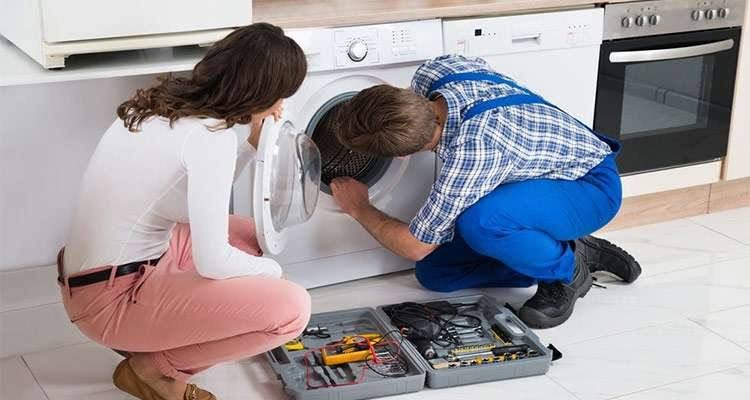
Modern living is rapidly evolving as smart home technology becomes more accessible and affordable. Homeowners are no longer limited to traditional switches, manual controls, and standalone devices. Instead, home appliance installation in smart homes focuses on interconnected systems that communicate with each other to improve comfort, energy efficiency, and convenience. From smart refrigerators to AI-powered air conditioners and automated lighting systems, the way appliances are installed and configured plays a major role in overall performance and user satisfaction. Proper planning and professional setup ensure that all devices work together seamlessly rather than as isolated units.
The Rise of Smart Home Ecosystems
A smart home is not just a collection of modern devices; it is an integrated ecosystem where appliances communicate through Wi-Fi, Bluetooth, or dedicated hubs. This system allows homeowners to control multiple devices from a smartphone, voice assistant, or centralized control panel. For example, a smart thermostat can communicate with smart blinds and air conditioning units to maintain optimal indoor temperature automatically. This level of coordination is only possible when home appliance installation is done with a clear understanding of network configuration and device compatibility.
Integration of Technology in Home Appliance Installation
The core of smart living lies in integration. During installation, technicians must ensure that each appliance is properly connected to the home network and configured for remote access. Devices such as smart ovens, washing machines, and security cameras require stable connectivity to function effectively. Additionally, mobile applications must be linked correctly to allow remote monitoring and control. A poorly installed device may lead to connectivity issues, reduced efficiency, or even complete malfunction of smart features.
Another important aspect is interoperability. Not all devices are manufactured by the same brand, so installation professionals must ensure that different systems can communicate with each other. Platforms like Google Home, Amazon Alexa, or Apple HomeKit often act as bridges between devices, making proper setup essential for smooth operation.
Benefits of Smart Home Appliance Installation
One of the primary advantages of smart home systems is convenience. Homeowners can control lighting, temperature, and security systems with simple voice commands or mobile apps. This reduces the need for manual adjustments and improves daily efficiency.
Energy savings is another significant benefit. Smart appliances can automatically adjust their performance based on usage patterns. For example, a smart air conditioner can reduce power consumption when no one is in the room. Over time, this leads to lower electricity bills and a reduced environmental footprint.
Security is also greatly enhanced. Smart door locks, surveillance cameras, and motion sensors provide real-time alerts and remote monitoring. Proper installation ensures that these devices are strategically placed and fully functional, offering maximum protection.
Step-by-Step Process of Smart Appliance Installation
The installation process typically begins with a home assessment. Technicians evaluate the layout, electrical wiring, and internet strength to determine compatibility with smart devices. A strong and stable Wi-Fi network is essential for uninterrupted communication between appliances.
Next comes device placement and mounting. Appliances must be installed in optimal locations to ensure performance. For example, smart cameras require proper angles and coverage, while smart thermostats should be placed away from direct heat sources.
After physical installation, the configuration phase begins. This involves connecting devices to the home network, installing necessary apps, and syncing appliances with control systems. Testing is then conducted to ensure all devices respond correctly to commands.
Handling Complex Installation Challenges
Not all installation environments are simple. In some cases, technicians face difficult conditions such as older buildings, poor wiring systems, or cluttered living spaces. In extreme situations, such as 汚部屋 エアコン 取付工事, where air conditioner installation must be done in heavily cluttered or poorly maintained rooms, professionals must take extra care to ensure safety and functionality. These environments require careful planning, proper cleaning before installation, and sometimes structural adjustments to ensure the appliance operates efficiently and safely.
Such challenges highlight the importance of hiring skilled technicians who can handle both technical and environmental difficulties. Smart home systems require precision, and even minor installation errors can affect the entire network.
Importance of Professional Installation Services
While DIY installation may seem cost-effective, smart home systems often require expert knowledge. Professionals understand electrical systems, network configuration, and device compatibility. They also ensure compliance with safety standards, reducing the risk of electrical hazards or system failures.
Moreover, professional installers can optimize device performance. For instance, they can configure automation routines such as turning off all lights when the homeowner leaves or adjusting the thermostat based on weather conditions. These customizations significantly enhance the smart home experience.
Maintenance and Long-Term Performance
Installation is only the first step; regular maintenance ensures long-term performance. Smart devices require software updates, network checks, and occasional recalibration. Dust accumulation, wiring issues, or outdated firmware can affect system efficiency.
Homeowners should also monitor device connectivity and replace faulty components promptly. Many smart systems offer diagnostic tools that alert users when maintenance is required, making upkeep more manageable.
The Future of Smart Home Appliance Installation
The future of home appliance installation is moving toward even greater automation and artificial intelligence integration. Soon, homes will be able to self-diagnose issues, schedule repairs automatically, and optimize energy usage without human intervention.
Wireless technology and IoT advancements will further simplify installation processes. Devices will become easier to connect, and setup times will decrease significantly. Additionally, voice-controlled ecosystems will become more advanced, allowing for more natural and intuitive interactions between humans and machines.
Conclusion
Smart home technology is transforming the way people interact with their living spaces. Effective home appliance installation is essential for unlocking the full potential of these systems. From improved convenience and energy efficiency to enhanced security and automation, the benefits are substantial. However, successful implementation requires proper planning, technical expertise, and sometimes the ability to handle challenging environments such as 汚部屋 エアコン 取付工事. As technology continues to evolve, smart homes will become even more integrated, intelligent, and user-friendly, redefining modern living for the future.
