
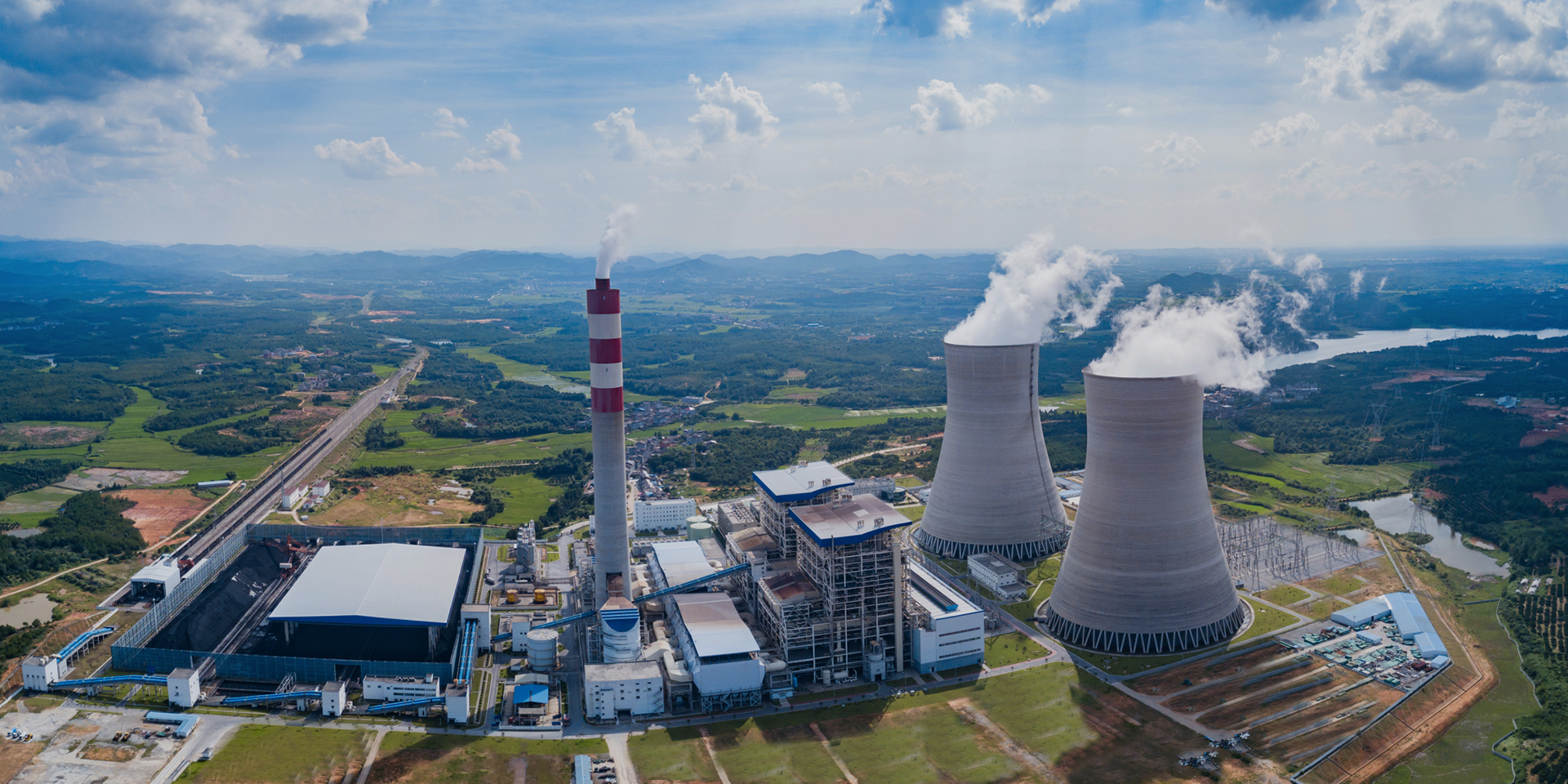
Modern Boiler Island EPC Project Overview
A modern boiler island EPC project represents one of the most complex and capital-intensive segments of industrial power generation infrastructure. It involves Engineering, Procurement, and Construction (EPC) of the complete boiler island system, which typically includes the boiler, auxiliaries, fuel handling systems, emission control units, and integration with power generation or industrial steam systems. In today’s energy landscape, industries demand higher efficiency, lower emissions, and greater fuel flexibility, making execution increasingly challenging.
A successful boiler island epc project requires deep coordination between design teams, procurement specialists, construction engineers, and commissioning experts. Companies like RUNH POWER have established expertise in delivering integrated boiler island solutions that meet global industrial standards while addressing modern energy challenges.
Key Challenges in Boiler Island EPC Projects
Modern EPC execution is no longer just about installing equipment; it involves handling multi-layered engineering complexity, strict environmental compliance, and global supply chain uncertainty.
One of the primary challenges is project integration. Boiler islands must seamlessly connect with turbines, control systems, and plant utilities. Even minor mismatches in engineering data can lead to delays and efficiency losses.
Another major challenge is cost escalation. Global inflation in raw materials such as steel, specialized alloys, and control components significantly impacts budgeting. This also affects clients searching for an industrial boiler island for sale, as pricing volatility makes long-term procurement planning difficult.
Additionally, regulatory pressure continues to increase. Emission standards require advanced flue gas treatment systems, low-NOx burners, and efficient combustion technologies. Meeting these requirements without compromising performance adds complexity to project execution.
Boiler Island Design and Engineering complexities
The stage of boiler island design and engineering is where most technical challenges originate. Modern systems must balance thermal efficiency, fuel adaptability, and environmental performance while maintaining structural reliability under extreme operating conditions.
Engineers must account for multiple fuel types such as coal, biomass, or hybrid fuel systems. Each fuel type introduces different combustion characteristics, requiring precise furnace design and heat transfer modeling. Computational simulations are widely used, but real-world variability still poses risks.
Another complexity lies in thermal stress management. High-pressure steam systems operate under extreme temperature gradients, which can cause material fatigue if not properly engineered. Selecting appropriate materials and ensuring correct expansion allowances are critical design considerations.
Digital engineering tools have improved precision, but they also require highly skilled professionals capable of interpreting simulation outputs and translating them into practical construction drawings.
Procurement and Supply Chain Issues
Procurement in a boiler island epc project is often challenged by global supply chain disruptions. Critical components such as pressure vessels, economizers, and control systems may come from different countries, increasing lead times and logistical risks.
Custom clearance delays, transportation constraints, and geopolitical factors can further impact project timelines. For clients looking at an industrial boiler island for sale, these uncertainties often translate into longer delivery schedules.
Another challenge is quality assurance across multiple vendors. Ensuring consistent manufacturing standards requires strict inspection protocols and third-party audits. Without proper coordination, inconsistencies in component quality can affect the entire system’s performance.
RUNH POWER addresses these challenges by maintaining a consolidated vendor network and implementing rigorous procurement tracking systems that ensure transparency and timely delivery.
Construction and Installation Difficulties
Construction of boiler island systems requires high precision and strong site coordination. Heavy equipment installation, welding of high-pressure pipelines, and alignment of large structural components demand specialized expertise.
Site conditions also play a significant role. Weather conditions, soil stability, and local infrastructure limitations can cause unexpected delays. In remote industrial locations, access to skilled labor and advanced machinery can be limited.
Safety is another critical concern. Boiler island construction involves high-risk activities such as lifting heavy modules and working in high-temperature environments. Strict safety protocols must be implemented to prevent accidents and ensure compliance with international standards.
Misalignment during installation can lead to long-term operational inefficiencies, making accuracy during construction a key priority.
Operational Efficiency and Emissions Compliance
Modern industries face increasing pressure to reduce carbon emissions while maintaining high operational efficiency. Boiler islands must therefore be designed with advanced combustion systems, heat recovery units, and emission control technologies.
One of the biggest challenges is maintaining efficiency across varying load conditions. Industrial facilities rarely operate at constant load, so boilers must adapt dynamically without performance degradation.
Emission compliance adds another layer of complexity. Technologies such as electrostatic precipitators, bag filters, and desulfurization units must be integrated seamlessly. Failure to meet regulatory standards can result in penalties and operational restrictions.
Continuous monitoring systems are now essential to track emissions and optimize combustion performance in real time.
Solutions and Best Practices
To address these challenges, modern EPC contractors are adopting integrated digital engineering platforms that connect design, procurement, and construction phases. This reduces communication gaps and improves project transparency.
Standardization of components is another effective strategy. By using modular designs, engineering teams can reduce fabrication time and minimize on-site modifications.
Risk management frameworks are also critical. Identifying potential delays, cost overruns, and technical issues early in the project lifecycle helps mitigate their impact.
Advanced simulation tools and AI-driven predictive analytics are increasingly used in boiler island design and engineering to optimize performance before physical construction begins.
Training and workforce development also play a vital role. Skilled engineers and technicians ensure that complex systems are executed with precision and reliability.
Role of RUNH POWER
In the global EPC landscape, RUNH POWER plays a significant role in delivering reliable and efficient boiler island solutions. The company focuses on integrated engineering approaches that combine advanced design techniques, efficient procurement systems, and high-quality construction management.
RUNH POWER emphasizes customized solutions tailored to specific industrial needs, whether for power generation, chemical plants, or large-scale manufacturing facilities. Their expertise in boiler island design and engineering allows them to handle complex technical requirements while maintaining strict compliance with international standards.
By leveraging digital engineering tools and global supply chain partnerships, RUNH POWER improves project efficiency and reduces execution risks, making it a key contributor in modern EPC development.
Future Outlook
The future of boiler island EPC projects is moving toward greater automation, digitalization, and sustainability. Smart monitoring systems, AI-based predictive maintenance, and carbon-neutral fuel technologies will redefine how boiler islands are designed and operated.
Hybrid energy systems and renewable integration will also influence future designs. Boiler islands will increasingly need to support flexible fuel switching and higher efficiency at lower emissions levels.
As industries continue to evolve, EPC contractors must adopt more agile and data-driven methodologies to remain competitive.
Conclusion
Modern boiler island EPC projects are complex systems that require advanced engineering, precise procurement, and flawless construction execution. Challenges such as supply chain disruptions, design complexity, and environmental regulations make project delivery increasingly demanding.
However, with structured engineering practices, digital integration, and experienced EPC partners like RUNH POWER, these challenges can be effectively managed. The growing demand for efficient and sustainable industrial boiler systems ensures that innovation in boiler island epc project execution will continue to accelerate, shaping the future of industrial energy infrastructure.