
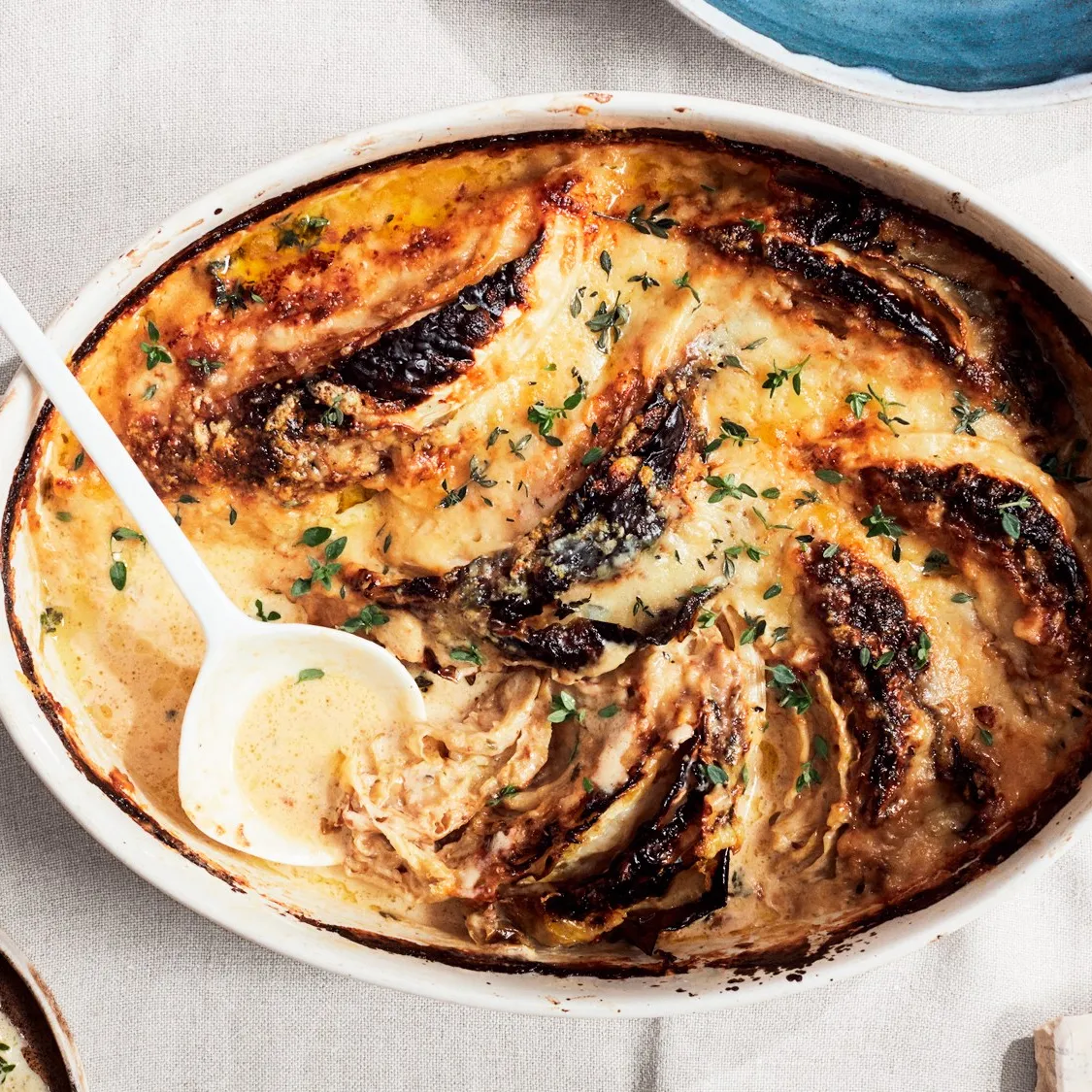
The Rise of Viral Food Trends on Social Media
Social media has completely reshaped how people discover, prepare, and enjoy food. What used to spread through cookbooks or word of mouth now explodes across platforms like TikTok, Instagram, and YouTube within hours. These viral food trends are not just about eating anymore—they are about visual appeal, creativity, and participation.
Every scroll on a feed reveals something new: a colorful dessert, an unusual cooking hack, or a simplified gourmet recipe that anyone can try at home. The speed at which viral food trends travel has made food culture more global, interactive, and experimental than ever before. A dish created in one country can become a worldwide sensation overnight.
Why Viral Food Trends Spread So Fast
The success of viral food trends is deeply connected to human psychology and digital behavior. People are naturally drawn to visually satisfying and emotionally engaging content. When a recipe looks easy, fun, or unusually delicious, it triggers curiosity and imitation.
Short-form videos also play a huge role. Platforms prioritize engaging content that keeps users watching, and food videos are perfect for this. The sizzling sound of cooking, the transformation of ingredients, and the final satisfying reveal all make viewers stop scrolling.
Another reason viral food trends spread quickly is accessibility. Most trending recipes require simple ingredients and minimal cooking skills, making it easy for audiences to recreate and share their own versions. This cycle of watching, trying, and reposting keeps the trend alive for weeks or even months.
TikTok and Instagram Driving Force Behind Viral Food Trends
TikTok and Instagram have become the biggest engines behind viral food trends. TikTok, in particular, thrives on short, engaging videos where creators showcase quick recipes, hacks, or food challenges. Instagram complements this with visually stunning photos and reels that highlight presentation and aesthetic appeal.
Creators often use hashtags like viral food trends to increase visibility and reach wider audiences. Once a video gains traction, it can appear on millions of feeds through algorithmic recommendation systems. This creates a ripple effect where one simple recipe turns into a global movement.
Food influencers and home cooks alike contribute to this cycle. Unlike traditional celebrity chefs, social media allows anyone to start a trend, making the food landscape more democratic and diverse.
Most Popular Viral Food Trends Right Now
Several viral food trends have captured global attention in recent years, each with its own unique twist and appeal.
One of the most famous examples is the baked feta pasta. This dish became a sensation because of its simplicity—roasted feta cheese, cherry tomatoes, olive oil, and pasta combined into a creamy, flavorful meal. It showed how minimal ingredients can still create maximum impact.
Another major hit in viral food trends is dalgona coffee. Originating from South Korea, this whipped coffee drink became a quarantine favorite worldwide. Its frothy texture and aesthetic layers made it perfect for social media sharing.
Butter boards also gained massive popularity. Instead of a traditional cheese board, softened butter is spread across a plate and topped with herbs, honey, spices, and bread. This visually rich concept made entertaining more creative and interactive.
Rainbow foods are another category within viral food trends that continues to thrive. From rainbow grilled cheese to colorful desserts, these dishes focus on vibrant visuals that instantly grab attention.
More recently, protein-rich and “health hack” recipes have also become viral food trends. These include high-protein ice creams, low-calorie snacks, and ingredient swaps that make indulgent foods healthier without sacrificing taste.
The Psychology Behind Viral Food Trends and Cravings
The success of viral food trends is closely linked to human emotions and cravings. Watching food content activates sensory responses in the brain, even when a person is not hungry. This phenomenon explains why people often feel sudden cravings after scrolling through cooking videos.
Color, texture, and sound all play important roles. For example, the crunch of fried food or the stretch of melted cheese creates a sensory experience that viewers find deeply satisfying. This emotional reaction encourages them to recreate the dish, further fueling viral food trends.
Social validation is another factor. People enjoy sharing their own versions of trending recipes because it makes them feel connected to a larger online community. This sense of participation is what keeps viral food trends alive and constantly evolving.
How Brands Use Viral Food Trends for Marketing
Food brands and restaurants have quickly adapted to the rise of viral food trends. Instead of relying solely on traditional advertising, they now collaborate with influencers and content creators to promote their products organically.
Many brands design products specifically to become part of viral food trends. Eye-catching packaging, unique flavors, and interactive food experiences are all created with social media in mind. Limited-time offers and visually appealing menu items are especially effective in driving engagement.
Restaurants also experiment with presentation styles that encourage customers to take photos and share them online. In this way, viral food trends become a powerful marketing tool that blends entertainment with commerce.
The Future of Viral Food Trends
The future of viral food trends is expected to become even more innovative and technology-driven. With the rise of artificial intelligence, augmented reality, and smart kitchens, food content will likely become more interactive and personalized.
We may see more fusion recipes that combine global cuisines in unexpected ways. Sustainability will also play a bigger role, with viral food trends focusing on plant-based meals, eco-friendly ingredients, and zero-waste cooking.
As audiences continue to demand novelty and engagement, creators will keep pushing the boundaries of creativity. The line between entertainment and cooking will continue to blur, making food culture more dynamic than ever.
Conclusion
Viral food trends have transformed the way people cook, eat, and connect with food. From simple home recipes to visually stunning creations, these trends reflect a global shift toward creativity and digital sharing.
The keyword viral food trends is no longer just about recipes—it represents a cultural movement driven by social media, psychology, and innovation. As platforms continue to evolve, so will the ways people discover and participate in food culture, ensuring that viral food trends remain a powerful force in shaping modern eating habits.