
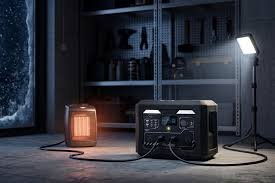
Hurricanes can bring powerful winds, heavy rainfall, flooding, and widespread power outages. Even after a storm passes, electricity may remain unavailable for hours or days while utility crews repair damaged infrastructure. Having a reliable hurricane backup power solution can help households maintain essential electrical equipment and make storm recovery more manageable.
A good backup power plan is not simply about having electricity during an outage. It involves choosing appropriate equipment, understanding how much power your essential devices require, and preparing everything before severe weather arrives.
Why Hurricane Backup Power Matters
Power outages are among the most common problems associated with major storms. Strong winds can damage power lines, trees can fall onto electrical infrastructure, and flooding can affect electrical equipment. In some areas, utilities may also shut down electricity temporarily as a safety precaution.
Backup power can provide electricity for important household needs, including refrigerators, communication devices, lighting, medical equipment, fans, and certain heating or cooling systems. Keeping these essentials operating can make a significant difference during an extended outage.
Preparation is particularly important because stores may close, fuel may become difficult to obtain, and roads can become unsafe after a hurricane.
Common Hurricane Backup Power Options
There are several types of backup power systems available. The right option depends on the size of the home, the devices that need electricity, the expected outage duration, and the user’s budget.
Portable Power Stations
Portable power stations use rechargeable batteries to provide electricity without traditional fuel. They can be useful for smaller electrical loads such as phones, laptops, lights, routers, and some small appliances.
Because they do not produce exhaust during operation, battery power stations can be convenient for indoor use when operated according to the manufacturer’s instructions. Their main limitation is battery capacity. Larger appliances can drain a smaller unit relatively quickly.
Portable Generators
Portable generators are commonly used for emergency power. Depending on their capacity, they can operate appliances such as refrigerators, freezers, pumps, and selected household equipment.
Fuel availability should be considered when planning for a hurricane. It is also essential to operate fuel-burning generators outdoors and away from doors, windows, and ventilation openings because their exhaust can contain dangerous carbon monoxide.
Never use a portable generator inside a home, garage, basement, or other enclosed space.
Standby Generators
Standby generators are permanently installed systems designed to provide automatic backup electricity when utility power fails. They can be connected to selected household circuits and may start automatically during an outage.
These systems can provide a convenient solution for homeowners who want longer-duration backup power. However, installation generally requires professional planning and compliance with applicable electrical and fuel-safety requirements.
Solar Backup Systems
Solar panels combined with battery storage can provide another approach to hurricane preparedness. During suitable daylight conditions, solar panels can recharge batteries while stored energy can be used when the sun is unavailable.
Solar-plus-storage systems can be especially useful for households interested in reducing dependence on fuel. However, their performance depends on system capacity, battery size, weather conditions, and available sunlight.
Determine Your Essential Power Needs
Before buying hurricane backup power equipment, create a list of the electrical devices you consider essential.
Common examples include:
- Refrigerator and freezer
- Mobile phone chargers
- Internet router
- Emergency lighting
- Fans
- Television or radio
- Sump or drainage pumps
- Certain medical equipment
- Small kitchen appliances
Check the wattage requirements of each device. Some appliances also require additional starting power when their motors begin operating.
Rather than attempting to power everything in the house, focus on essential equipment. A smaller system dedicated to critical devices may be more practical and economical than trying to operate an entire home.
Battery Capacity and Runtime
For battery-based backup systems, capacity is an important consideration. Capacity is commonly expressed in watt-hours (Wh) or kilowatt-hours (kWh).
For example, a device that consumes 100 watts continuously would theoretically use approximately 100 watt-hours in one hour. Actual runtime can be lower because of conversion losses and other system factors.
When comparing battery systems, consider both total capacity and continuous output. A battery may have enough stored energy but still be unable to run an appliance if the appliance requires more power than the system can deliver at once.
Generator Safety During Hurricanes
Safety should always be the highest priority when using emergency generators.
Fuel-powered generators should remain outdoors in a well-ventilated location, positioned according to the manufacturer’s safety instructions. Keep them away from windows, doors, and other openings that could allow exhaust gases to enter the building.
Carbon monoxide is colorless and odorless, so relying on smell is not a safe way to detect it. Installing functioning carbon monoxide alarms in appropriate areas of the home can provide an additional layer of protection.
Electrical connections also require care. A generator should never be connected to household wiring through an improvised connection. A properly installed transfer switch or other approved connection method may be required for certain systems.
Protect Backup Equipment From Storm Damage
Hurricane preparation should include protecting the backup equipment itself. Portable equipment should be stored in a dry, secure location before the storm arrives.
Fuel should be handled and stored according to local regulations and manufacturer recommendations. Batteries should also be maintained according to the manufacturer’s charging and storage guidelines.
Do not wait until severe weather is approaching to test your backup system. Testing it in advance gives you time to identify problems with batteries, cables, fuel supplies, outlets, or other components.
Create a Hurricane Power Plan
A backup power system works best when combined with a broader emergency plan. Identify which appliances have priority and determine how they will receive power during an outage.
Keep important charging cables, flashlights, batteries, and emergency communication devices together in an easily accessible location. If your household depends on electrically powered medical equipment, discuss emergency power requirements with the appropriate healthcare professional and equipment provider before hurricane season.
It is also useful to keep a written list of essential electrical loads. This makes it easier to manage limited backup capacity during a long outage.
Maintain Your Backup Power System
Regular maintenance helps ensure that equipment is ready when an emergency occurs. Follow the manufacturer’s recommended inspection and maintenance schedule.
For generators, this may include checking fuel systems, oil levels, filters, batteries, and other components. Battery systems should be charged and inspected according to their instructions.
Run appropriate tests before hurricane season rather than discovering a problem during an actual outage.
Prepare Before the Storm Arrives
The best time to arrange hurricane backup power is well before a hurricane threatens your area. Storm warnings can lead to crowded stores, equipment shortages, fuel shortages, and long lines.
Planning early gives you time to compare different systems, calculate your power requirements, arrange professional installation when necessary, and learn how to operate the equipment safely.
It is also wise to consider multiple layers of backup. For example, a household might use a larger generator or battery system for major appliances while keeping smaller battery packs available for phones and communication devices.
Conclusion
Reliable hurricane backup power can play an important role in household emergency preparedness. Whether you choose a portable battery station, portable generator, standby generator, solar battery system, or a combination of solutions, the key is to select equipment that matches your actual needs.
Start by identifying essential appliances, calculating their power requirements, understanding runtime limitations, and following all safety instructions. Protect and maintain your equipment, test it before hurricane season, and make sure everyone who may use it understands the correct operating procedures.
With thoughtful preparation, homeowners can be better positioned to manage power interruptions and focus on safety and recovery when severe storms disrupt normal electricity service.