
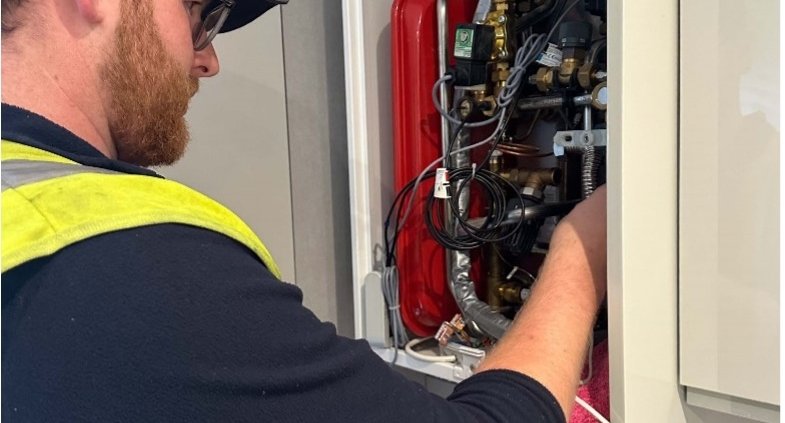
Managing heating and hot water in a residential building requires careful planning, especially when multiple apartments depend on a communal heating system. A Heat Interface Unit (HIU) connects individual properties to a central heating network, making professional maintenance important for comfort, efficiency, and reliability. However, arranging maintenance can become challenging when residents have different schedules and expect uninterrupted access to heating and hot water.
Planning HIU service London appointments strategically can reduce disruption while allowing engineers to inspect, maintain, and repair equipment efficiently. With good communication and organized scheduling, property managers, landlords, and building operators can keep residents informed and minimize inconvenience.
Understand the Role of HIU Servicing
An HIU transfers heat from a communal network into an individual property. It can provide domestic hot water and heating without requiring every apartment to have its own traditional boiler. Because these systems serve essential household needs, problems with an HIU can quickly affect daily routines.
Regular HIU service London appointments can help identify issues such as reduced hot water performance, unusual temperatures, pressure problems, leaks, poor heating circulation, or inefficient operation. Professional servicing may also help identify developing faults before they become larger problems.
Understanding what the service involves makes scheduling easier. Some appointments may require only a short inspection, while repairs or component replacements can take longer. Property managers should therefore establish the likely duration before confirming appointment times with residents.
Plan Maintenance Around Resident Routines
The best scheduling strategy starts with understanding when residents are most likely to be available. In apartment buildings, mornings and evenings are often busy because people are preparing for work, school, or returning home.
Where possible, routine HIU service London visits can be arranged during periods when disruption is least noticeable. Midday appointments may work well for some buildings, although resident demographics and occupancy patterns should always be considered.
For buildings with a large number of apartments, dividing appointments into manageable groups can make the process more efficient. Rather than attempting to service every unit on one day, managers can create a schedule covering several days or weeks.
Create a Clear Appointment System
A structured appointment system can prevent confusion. Residents should receive information about their expected service window rather than being given vague instructions.
A useful appointment notice can include:
- The proposed date
- An estimated arrival period
- Expected service duration
- Whether heating or hot water may be temporarily interrupted
- Whether residents need to provide access
- Contact information for questions or rescheduling
Providing this information in advance gives residents an opportunity to plan around the appointment.
Give Residents Adequate Notice
Unexpected maintenance can create frustration, particularly when heating or hot water may temporarily be unavailable. Providing advance notice allows residents to make alternative arrangements and reduces the likelihood of missed appointments.
For planned HIU service London, property managers should communicate the schedule as early as practical. Reminder messages can then be sent shortly before the appointment.
A simple communication sequence can include an initial notice, a reminder several days before the visit, and a final confirmation on the day before service.
Clear communication is especially important when engineers need access to individual apartments. Residents should understand why access is required and what the engineer will be checking.
Use Time Windows Instead of Exact Times
Giving every resident an exact appointment time may appear convenient, but it can become difficult to manage when engineers encounter unexpected issues. A practical alternative is to provide a reasonable time window.
For example, residents could be told that an engineer will arrive between 10:00 a.m. and 12:00 p.m. This provides flexibility while still giving the resident enough information to plan.
For larger buildings, appointments can be grouped by floors or sections. This can reduce unnecessary movement through the building and help engineers complete multiple nearby units efficiently.
Group Similar Service Requirements
If several apartments require similar inspections, scheduling them together can save time. Engineers can prepare the appropriate equipment and follow a consistent workflow.
For example, routine inspections might be grouped separately from appointments involving suspected leaks or heating faults. More complex cases may require additional time, so they should not be scheduled too tightly against simple inspections.
This approach can make HIU service London programs more predictable and reduce delays for residents waiting for their appointments.
Coordinate With Building Management
Effective scheduling requires cooperation between engineers, property managers, landlords, and residents. Building management teams can help identify access requirements, communicate notices, and maintain an updated appointment list.
Before service begins, managers should confirm whether there are any restricted-access areas, vulnerable residents who may require additional consideration, or building-specific procedures engineers need to follow.
A central schedule can also help management teams track completed appointments and identify units that could not be accessed.
Minimize Heating and Hot Water Interruptions
Some HIU maintenance tasks may require the system to be isolated temporarily. The length of the interruption depends on the nature of the work.
Whenever an interruption is necessary, residents should be informed beforehand. If several units are connected to the same infrastructure, engineers and building managers should understand how isolation will affect surrounding apartments.
Scheduling potentially disruptive work during suitable periods can make the experience easier for residents. Where possible, essential services should be restored promptly after the work is completed.
Prepare for Unexpected Repairs
Routine servicing does not always remain routine. An engineer may discover worn components, leaks, blocked filters, control issues, or other faults during an inspection.
Managers should allow some flexibility in the daily schedule so that unexpected work does not cause every subsequent appointment to run late.
If a repair requires additional parts or a follow-up visit, residents should receive a clear explanation of what happens next. Avoiding uncertainty can be just as important as minimizing the physical disruption itself.
Maintain a Backup Plan
Even well-organized schedules can change. Engineers may be delayed, residents may be unavailable, or a repair may take longer than expected.
A backup plan should include alternative appointment slots and a clear process for missed visits. If a resident cannot provide access, the appointment can be moved to another available period rather than disrupting the entire schedule.
Maintaining accurate records is also valuable. Property managers can record completed inspections, outstanding repairs, and apartments requiring follow-up work.
Choose Professional and Organized Service
The quality of the scheduling process depends partly on the service provider. Experienced engineers should understand the importance of working efficiently in occupied residential buildings.
When arranging HIU service London, property managers can ask providers about appointment management, expected service duration, emergency support, reporting, and follow-up procedures.
A professional approach should focus not only on technical servicing but also on communication and resident experience.
Build a Long-Term Maintenance Schedule
Instead of arranging servicing only after a problem appears, building managers can establish a recurring maintenance plan. A planned schedule makes it easier to anticipate future appointments and communicate with residents.
Maintenance records can also help identify recurring problems. If the same type of fault appears repeatedly, managers can investigate whether additional maintenance or system improvements are needed.
A proactive approach can make future HIU service London visits more organized and potentially reduce unexpected disruption.
Conclusion
Scheduling HIU maintenance in occupied residential buildings requires more than simply booking an engineer. Property managers need to consider resident routines, provide advance notice, create realistic appointment windows, coordinate access, and allow flexibility for unexpected repairs.
With thoughtful planning, HIU service London can be completed efficiently while keeping disruption to residents as low as reasonably possible. Clear communication, organized scheduling, professional servicing, and accurate maintenance records create a smoother process for everyone involved. By treating maintenance as an ongoing planned activity rather than an emergency response, residential buildings can support reliable heating and hot water while providing residents with a more predictable experience.