
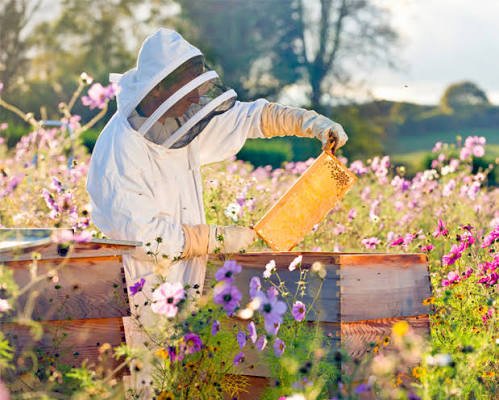
Beekeeping is a rewarding hobby that combines outdoor activity, careful observation, and an appreciation for nature. For beginners, however, getting started can Stephen Gleave Ancaster feel overwhelming because honey bees have their own complex behaviors, seasonal needs, and colony structure. Learning the basics before purchasing equipment or starting a colony can make the experience much easier and more enjoyable.
Whether your goal is to produce honey, support pollination, or simply learn more about bees, understanding responsible hive management is essential. The following beekeeping tips can help new beekeepers build a strong foundation and develop good habits from the beginning.
Learn About Honey Bee Biology
One of the most important steps for a beginner is learning how a honey bee colony works. A typical colony includes a queen, worker bees, and drones, with each having a different role.
The queen is responsible primarily for laying eggs and maintaining the colony’s reproductive cycle. Worker bees perform many tasks, including cleaning cells, feeding developing bees, producing wax, guarding the entrance, and collecting nectar and pollen. Drones are male bees whose primary biological role is mating with queens.
Understanding these roles helps beginners recognize normal colony behavior. It also makes hive inspections more meaningful because you can identify what you are seeing rather than simply looking at frames without context.
Choose the Right Location for Your Hive
Hive placement can have a major influence on colony management. A suitable location should provide good drainage, reasonable protection from harsh weather, and access to flowering plants.
Avoid placing a hive where people frequently walk, play, or work. Bees generally prefer calm surroundings, but colonies can become defensive when disturbed. A location with some morning sunlight and protection from strong winds can be helpful.
Make sure you also have enough room to safely stand behind or beside the hive during inspections. Easy access is particularly important when lifting boxes or carrying equipment.
Start With Proper Protective Equipment
New beekeepers should use appropriate protective equipment when working around bees. A bee suit or protective clothing, gloves, and a properly fitted veil can provide an important layer of protection.
A smoker is another traditional beekeeping tool. It can help manage bee behavior during inspections by reducing defensive responses. Beginners should learn how to use a smoker responsibly and avoid excessive smoke.
Protective equipment should fit comfortably and be checked regularly for openings or damage. Good preparation allows beginners to concentrate on observing the colony instead of worrying about avoidable problems.
Invest in Basic Beekeeping Tools
You do not need every piece of beekeeping equipment available. Beginners can start with essential tools such as a hive, frames, a hive tool, protective clothing, a smoker, and suitable feeding equipment when necessary.
A hive tool is useful for separating frames and removing wax or propolis. A smoker can help calm bees during inspections. Additional equipment can be purchased later as your experience and needs grow.
Before buying equipment, learn about the hive system you plan to use. Standardizing your equipment can make maintenance, inspections, and future expansion more convenient.
Inspect the Colony Carefully
Regular inspections help you understand the condition of your colony. However, inspections should not become unnecessarily frequent or disruptive. Bees need time to work, feed, raise young, and maintain the hive.
During an inspection, look for signs of healthy brood, adequate food stores, normal bee activity, and sufficient space. Observe the overall behavior of the colony and pay attention to unusual patterns.
Move slowly and deliberately. Avoid crushing bees between frames, and return frames to their original position when possible. Gentle handling can reduce unnecessary disturbance and make inspections easier for both the beekeeper and the colony.
Understand Seasonal Changes
Bee colonies change significantly throughout the year. Spring, summer, autumn, and winter each bring different management considerations.
During periods of strong nectar flow, colonies may grow rapidly and require additional space. In other periods, natural food resources may decline, requiring closer monitoring of available stores.
Winter preparation is particularly important in colder climates. Colonies need adequate food and protection from severe weather while still maintaining proper ventilation. Local beekeeping conditions can vary considerably, so beginners should learn from experienced beekeepers in their region.
Learn to Recognize Swarming
Swarming is a natural reproductive behavior in honey bee colonies. When a colony becomes crowded or certain biological conditions develop, part of the colony may leave with a queen to establish a new colony elsewhere.
New beekeepers should learn the signs associated with swarm preparation. These may include the development of queen cells, increased congestion, and other changes in colony organization.
Understanding swarming does not mean trying to prevent every natural behavior. Instead, it allows beekeepers to manage colonies responsibly and make informed decisions based on local conditions and established beekeeping practices.
Keep Good Records
Record keeping is an underrated but valuable part of beekeeping. After each inspection, write down important observations such as the date, weather, colony strength, brood condition, food stores, and management actions.
Over time, these notes create a useful history of the colony. Records can help you notice gradual changes that might otherwise be forgotten.
Good records are also useful when discussing colonies with experienced beekeepers or identifying patterns between seasons. Even a simple notebook or digital spreadsheet can be enough to get started.
Learn From Experienced Beekeepers
Books and online resources can provide valuable information, but practical experience is especially helpful. Joining a local beekeeping association or finding an experienced mentor can give beginners opportunities to see proper hive handling firsthand.
Local beekeepers can also provide information about regional weather, flowering seasons, common pests, and local regulations. Conditions can differ significantly between areas, so regional knowledge is highly valuable.
When learning from others, compare advice with reputable beekeeping resources and current local guidance. Beekeeping practices can evolve, and not every traditional method is appropriate in every situation.
Pay Attention to Bee Health
Healthy colonies require ongoing observation. Beginners should become familiar with common honey bee pests and diseases and learn how they can affect colony development.
Varroa mites, for example, are a major concern for many managed honey bee colonies. Other problems can involve pathogens, pests, poor nutrition, or environmental stress.
Rather than waiting until a colony appears seriously weakened, learn appropriate monitoring methods early. If treatment becomes necessary, follow current recommendations from trusted agricultural or beekeeping authorities and use products exactly as directed.
Be Patient and Observant
Beekeeping is a skill that develops gradually. A new beekeeper will make mistakes, misunderstand bee behavior, and occasionally face unexpected challenges. These experiences are part of learning.
Instead of rushing through inspections, take time to observe. Watch how bees move across frames, how workers interact with brood, and how the colony responds to changes in weather and food availability.
Patience can help you become a more confident beekeeper while reducing unnecessary disturbance to the colony.
Respect Local Rules and Your Neighbors
Before keeping bees, check local laws and property requirements. Some areas have rules concerning hive registration, hive placement, setbacks, or disease management.
It is also important to consider neighbors. A well-positioned hive and appropriate management can help reduce unwanted interactions between bees and nearby people.
Responsible beekeeping means thinking about the colony, the beekeeper, surrounding properties, and the wider environment.
Conclusion
Starting beekeeping can be an exciting way to learn about nature while caring for a fascinating social insect. The most important beekeeping tips for beginners are to understand bee biology, choose a suitable hive location, use proper protective equipment, inspect colonies carefully, monitor seasonal changes, keep records, and learn from experienced local beekeepers.
Successful beekeeping is less about mastering everything immediately and more about developing good observation and management habits over time. With preparation, patience, and responsible care, new beekeepers can build their knowledge and enjoy the experience of working with honey bee colonies.