
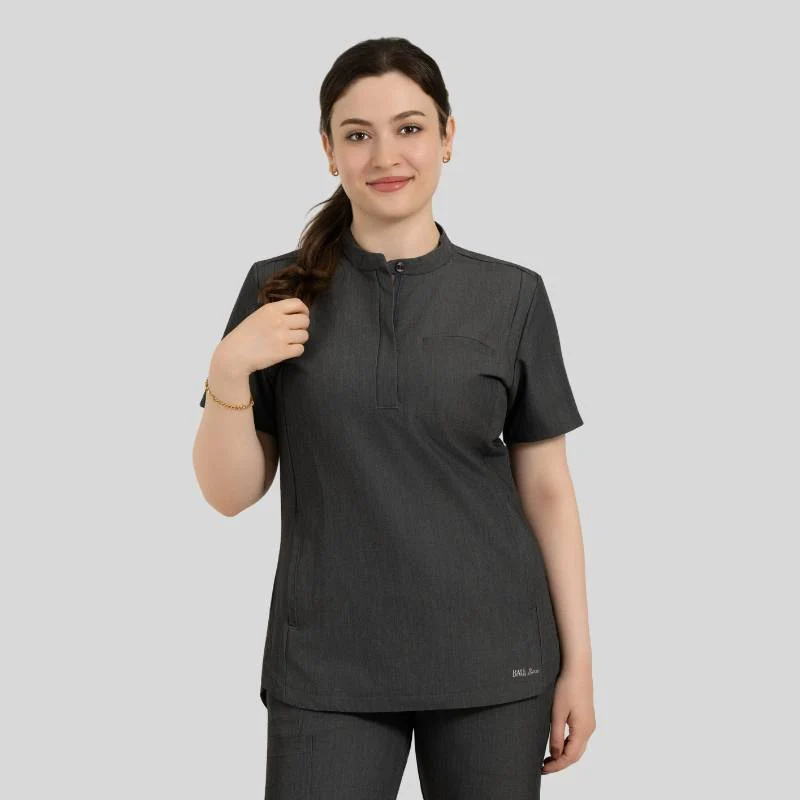
The landscape of medical workwear has undergone a massive transformation in recent years. Gone are the days when medical apparel meant boxy, ill-fitting, rigid cotton garments that prioritized basic coverage over personal comfort. Today, healthcare professionals work grueling 12-to-24-hour shifts, constantly on their feet, moving between fast-paced emergency rooms, specialized clinics, and surgical suites. To perform at their absolute peak, nurses, physicians, surgeons, and allied health staff demand workwear that matches their intensity.
Choosing modern women’s scrub sets has evolved from purchasing standard work uniforms into investing in essential high-performance work gear. Contemporary designs blend advanced textile science, athletic ergonomics, and sleek aesthetics to meet the daily demands of healthcare environments. Understanding the essential features of high-quality women’s scrub sets empowers medical professionals to select uniforms that enhance comfort, maintain hygiene, boost organization, and provide confidence throughout every shift.
Advanced Fabric Technology and Moisture Management
At the core of any high-performing medical uniform is its fabric composition. The traditional all-cotton or standard poly-cotton weaves have largely given way to multi-blend performance fabrics crafted specifically for medical environments.
Four-Way Stretch Capabilities
One of the most revolutionary updates in modern medical attire is four-way stretch technology. Healthcare workers frequently reach, bend, squat, and lift patients. Traditional rigid fabrics restrict movement, leading to fatigue, skin chafing, or fabric tears at stress points. High-grade women’s scrub sets incorporate spandex or elastane blends—typically around 4% to 8%—allowing the garment to expand seamlessly with the body’s natural motion and bounce right back into shape.
Moisture-Wicking and Breathability
Medical shifts are physically demanding. Sweat and humidity accumulation under heavy lights or protective equipment can quickly lead to discomfort. Modern fabrications utilize micro-denier synthetic fibers designed to pull moisture away from the skin toward the outer surface of the fabric, where it quickly evaporates. Breathable fabric weaves ensure optimal airflow, helping regulate core body temperature whether running through an intensive care unit or working long clinical appointments.
Antimicrobial and Odor-Resistant Treatments
Hygiene is paramount in medical settings. Leading manufacturers coat or infuse their fabrics with antimicrobial agents—such as silver ion technologies—that inhibit the growth of odor-causing bacteria, mold, and fungi on the cloth. This protective barrier minimizes bacterial degradation, keeps the uniform smelling fresh through back-to-back shifts, and acts as an added layer of defense between clinical spaces and home environments.
Ergonomic Fit and Tailored Aesthetics
Functionality no longer requires sacrificing personal style or confidence. Modern designers craft medical uniforms using feminine tailoring, recognizing that a well-fitting outfit directly impacts professional poise.
Princess Seams, Bust Darts, and V-Necks
Unlike unisex garments that tend to bunch up or hang loose, modern women’s scrub sets feature strategic tailored construction. Tops designed with front princess seams, subtle back darts, and gentle side vents contour around the bust and waist while leaving ample room for unhindered upper-body movement. Classic soft V-necks and modest Mandarin collars provide a clean, professional neckline that maintains appropriate coverage during physical activity.
Jogger Pants and Yoga Waistbands
Pants design has shifted toward high-mobility activewear silhouettes. Jogger-style scrub bottoms featuring ribbed stretch cuffs at the ankle keep pant hems off dirty hospital floors and prevent trip hazards. Meanwhile, wide, yoga-inspired elastic waistbands paired with adjustable outer drawstrings sit comfortably above the hips without digging in or rolling down, ensuring complete coverage when bending down.
Tactical Storage and Pocket Organization
In a clinical setting, pocket space functions as a portable workstation. Healthcare providers carry stethoscopes, trauma shears, penlights, smartphones, hand sanitizers, medical tape, and patient care notes. Standard pockets are often insufficient for modern gear demands.
Strategic Pocket Placement
Superior women’s scrub sets feature thoughtful, multi-functional storage design. Tops usually include deep drop-in patch pockets, layered mesh dividers, and secure hidden zip pockets for personal items like keys or cash. Bottoms frequently highlight ergonomic cargo pockets on the thighs—placed within easy reach while seated—alongside deep side slit pockets and reinforced back patch pockets.
Tech-Friendly and Secure Compartments
With digital tablets and smartphones becoming standard clinical tools, pockets now incorporate padded lining, zip closures, or magnetic snaps to safeguard expensive electronic devices against accidental drops or fluid splashes. Dedicated pen slots, instrument loops, and sturdy badge reels integrated into yoke seams keep essential gear clipped safely in place.
Durability, Fluid Resistance, and Easy Care
Medical uniforms undergo rigorous laundering. They face harsh water temperatures, heavy detergent cycles, and frequent exposure to biological liquids. Premium workwear must stand up to these harsh cleaning protocols without degrading.
Fluid-Barrier Protections
Fluid-repellent technology acts as an essential barrier against accidental spills, blood, and bodily fluids. Liquid-repellent finishes prevent liquids from soaking instantly into the weave, allowing wearers to easily wipe away surface spills before stains set into the inner fibers.
Color Retention and Wrinkle Resistance
Repeated high-heat washing can cause lower-grade fabrics to fade, shrink, or fray over time. High-grade polyester-rayon blends keep colors crisp—whether classic navy, clinical blue, deep black, or vibrant seasonal shades—wash after wash. Furthermore, wrinkle-resistant fabric treatments mean healthcare professionals can pull clean uniforms directly from the dryer without needing time-consuming ironing.
Reinforced Stress Points
To maximize overall garment lifespan, quality women’s scrub sets use double or triple needle stitching along heavy-use seams like armholes, crotch rises, yokes, and pocket edges. This heavy-duty construction prevents seam splitting when carrying heavy pocket gear or executing sudden movements.
Choosing the Right Uniform for Your Role
While fundamental features like comfort, stretch, and durability remain vital across all medical fields, selecting the right pair depends on specific workplace demands:
- Emergency and Critical Care Nurses: Require maximum 4-way stretch flexibility, liquid repellent finishes, and extensive cargo pocket storage to manage fast-moving environments.
- Surgical Personnel: Prioritize anti-microbial fabric properties, easy compliance with strict hospital scrub laundering protocols, and quick-drying capabilities.
- Clinical and Dental Staff: Often prefer ultra-tailored silhouettes, bright or approachable color palettes, and soft-touch fabrics that set an comforting tone for outpatient visits.
Investing in premium women’s scrub sets is an investment in everyday performance, physical safety, and professional wellness. When medical gear seamlessly combines advanced textile tech, smart tactical storage, and ergonomic tailored cuts, healthcare workers stay comfortable, supported, and ready to deliver exceptional care around the clock.