
Introduction
The plastic manufacturing industry depends on consistent product quality, efficient production processes, and reliable material performance. Whether manufacturers produce packaging films, agricultural films, industrial sheets, or other plastic products, maintaining uniformity throughout production is essential. Even minor variations in processing conditions can affect surface appearance, material strength, and overall product performance. To address these challenges, manufacturers increasingly use specialized additives that improve processing stability and finished product quality. One important solution is PE Silicone Masterbatch, which supports consistent results in plastic film and extrusion production.
PE Silicone Masterbatch is a concentrated additive designed to improve the processing and performance characteristics of polyethylene-based plastic materials. It typically contains silicone-based functional ingredients dispersed within a polyethylene carrier resin. When incorporated into a polymer formulation, it can help reduce friction, improve surface properties, and support smoother manufacturing operations. Its ability to deliver consistent performance makes it valuable for manufacturers seeking dependable production outcomes.
Understanding PE Silicone Masterbatch
PE Silicone Masterbatch is formulated to provide silicone-based benefits while maintaining compatibility with polyethylene materials. It is commonly used in applications involving blown film extrusion, cast film production, plastic compounding, and other polyethylene processing operations.
Silicone ingredients are known for their lubricating properties and ability to reduce friction between polymer materials and processing equipment. When properly incorporated into polyethylene formulations, these properties can contribute to improved material flow and smoother production.
The masterbatch format also makes additive incorporation more convenient. Instead of handling small quantities of concentrated silicone ingredients directly, manufacturers can introduce a measured amount of masterbatch into the production mixture. This helps improve dosing accuracy and promotes uniform additive distribution.
Improving Consistency in Plastic Film Production
Consistency is one of the most important requirements in plastic film manufacturing. Packaging films, agricultural sheets, and industrial plastic films must maintain uniform thickness, appearance, and processing characteristics.
PE Silicone Masterbatch can support this consistency by improving the flow and surface behavior of polymer materials during extrusion. Reduced friction can help create more stable processing conditions, allowing manufacturers to maintain better control over production parameters.
Supporting Uniform Film Surfaces
Surface quality plays an important role in determining the suitability of plastic films for different applications. Uneven surfaces, excessive friction, and processing-related defects can reduce the quality of finished products.
The silicone component in PE Silicone Masterbatch can improve surface lubricity, helping plastic films achieve smoother handling characteristics. Depending on the formulation, processing conditions, and dosage, it may also help reduce surface-related manufacturing difficulties.
For manufacturers producing large volumes of polyethylene film, these improvements can contribute to more predictable product quality.
Maintaining Stable Production Conditions
Extrusion production requires careful control of temperature, pressure, screw speed, and material flow. Changes in these conditions can create inconsistencies between production batches.
Using a suitable PE Silicone Masterbatch formulation can help reduce friction during material processing. This may support smoother polymer movement through the extrusion system and contribute to more stable operating conditions.
Consistent material behavior allows production teams to maintain established manufacturing settings more effectively.
Enhancing Extrusion Efficiency
Extrusion is a widely used manufacturing method for transforming polyethylene materials into films, sheets, pipes, and other plastic products. The process involves melting polymer resin and forcing it through a specially designed die to create a continuous product.
Friction within the processing system can influence material movement, equipment performance, and production efficiency. PE Silicone Masterbatch provides lubricating benefits that can help address certain friction-related challenges.
Reducing Friction During Processing
High friction between polymer materials and processing surfaces can affect extrusion performance. It may contribute to unstable material flow, processing difficulties, and unnecessary mechanical resistance.
Silicone-based additives help improve lubrication within the polymer system. When the masterbatch is correctly selected and applied, it can support smoother processing and potentially reduce friction-related production issues.
Supporting Continuous Manufacturing
Manufacturers often operate extrusion equipment for extended periods to meet production requirements. Unexpected processing interruptions can increase operating costs and affect delivery schedules.
A suitable PE Silicone Masterbatch can contribute to more manageable processing conditions by improving material lubricity. Although overall production stability also depends on equipment maintenance, resin quality, and operating parameters, additive selection can play an important supporting role.
Improving Finished Product Performance
The benefits of PE Silicone Masterbatch extend beyond the extrusion process. Its silicone-based ingredients can influence the surface characteristics and handling performance of finished polyethylene products.
For example, plastic films used in packaging applications often require appropriate surface properties to support winding, unwinding, storage, and transportation.
Better Slip and Surface Lubricity
Depending on its formulation, PE Silicone Masterbatch can improve the slip characteristics of polyethylene films. Better surface lubricity can make film handling easier during downstream operations.
This can be particularly useful in packaging production, where films pass through printing, laminating, cutting, and sealing equipment.
However, manufacturers should balance slip performance with other requirements, such as coefficient of friction, printability, and sealing strength.
Improved Scratch and Abrasion Resistance
Silicone-based additives may also contribute to improved resistance to surface scratching and abrasion. This can help maintain the appearance of plastic products during processing, handling, and transportation.
The degree of improvement depends on silicone concentration, polymer compatibility, processing conditions, and the intended application.
Promoting Consistent Quality Across Production Batches
Producing identical results across multiple manufacturing batches is a major challenge for plastic processors. Variations in raw materials, additive distribution, and production conditions can influence the final product.
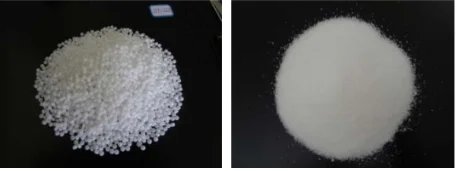
PE Silicone Masterbatch offers a practical approach to improving formulation control. Because the additive is supplied in a concentrated pellet form, manufacturers can introduce it using controlled feeding systems.
Accurate dosing helps maintain consistent additive concentrations throughout production. Proper dispersion also supports uniform performance across the finished material.
Manufacturers should establish standardized procedures for mixing, feeding, and processing. Monitoring these variables helps identify potential inconsistencies before they affect large production volumes.
Applications Across Different Plastic Industries
PE Silicone Masterbatch is suitable for various polyethylene-based manufacturing applications.
Packaging Film Manufacturing
Packaging manufacturers use polyethylene films for shopping bags, liners, flexible packaging, and protective wrapping. Improved surface lubricity can support smoother film movement through converting and packaging equipment.
Agricultural Film Production
Agricultural films are used in greenhouse coverings, mulch applications, and crop protection systems. Consistent processing and surface quality are important for producing films that meet application requirements.
Industrial Plastic Sheets
Industrial applications frequently require polyethylene sheets with dependable surface characteristics and processing performance. Silicone masterbatch can help manufacturers achieve the desired material properties when incorporated into an appropriate formulation.
Blown Film and Cast Film Extrusion
Both blown film and cast film processes benefit from carefully controlled polymer flow and surface characteristics. Selecting the right masterbatch can help manufacturers optimize these processes according to their production requirements.
Choosing the Right PE Silicone Masterbatch
Selecting an appropriate product requires evaluating several technical factors. Manufacturers should consider the polyethylene resin grade, extrusion technology, desired surface properties, and final product specifications.
Compatibility is particularly important. The carrier resin should work effectively with the primary polymer to encourage uniform distribution throughout the material.
Dosage recommendations should also be followed carefully. Excessive additive concentrations may affect properties such as printing performance, sealing behavior, or surface friction. Testing different concentrations can help identify the most suitable formulation.
Working with a reliable supplier is another important consideration. Manufacturers should look for consistent product specifications, technical documentation, quality control procedures, and application guidance.
Best Practices for Achieving Reliable Results
To maximize the benefits of PE Silicone Masterbatch, manufacturers should maintain a structured production approach.
First, evaluate the characteristics of the base polyethylene resin and determine the required additive performance. Second, follow the supplier’s recommended dosage and mixing procedures. Third, ensure that feeding equipment distributes the masterbatch consistently throughout the polymer mixture.
Regularly monitor extrusion temperature, pressure, screw speed, and output quality. Testing finished films for thickness, coefficient of friction, surface appearance, and mechanical properties can provide valuable information about production performance.
Manufacturers should also document formulation changes and production results. This information makes it easier to reproduce successful manufacturing conditions and identify opportunities for improvement.
Conclusion
Consistent quality and efficient processing are essential for successful plastic film and extrusion manufacturing. PE Silicone Masterbatch provides manufacturers with a practical additive solution that can improve polymer lubricity, support smoother material flow, and enhance finished product surface characteristics.
From packaging films to agricultural applications and industrial plastic sheets, its benefits can contribute to more controlled production and dependable product performance. However, achieving the best results requires appropriate formulation selection, accurate dosing, and continuous process monitoring.
By integrating high-quality PE Silicone Masterbatch into well-managed manufacturing operations, plastic processors can strengthen production consistency, improve handling characteristics, and work toward greater operational efficiency in an increasingly competitive plastics industry.