
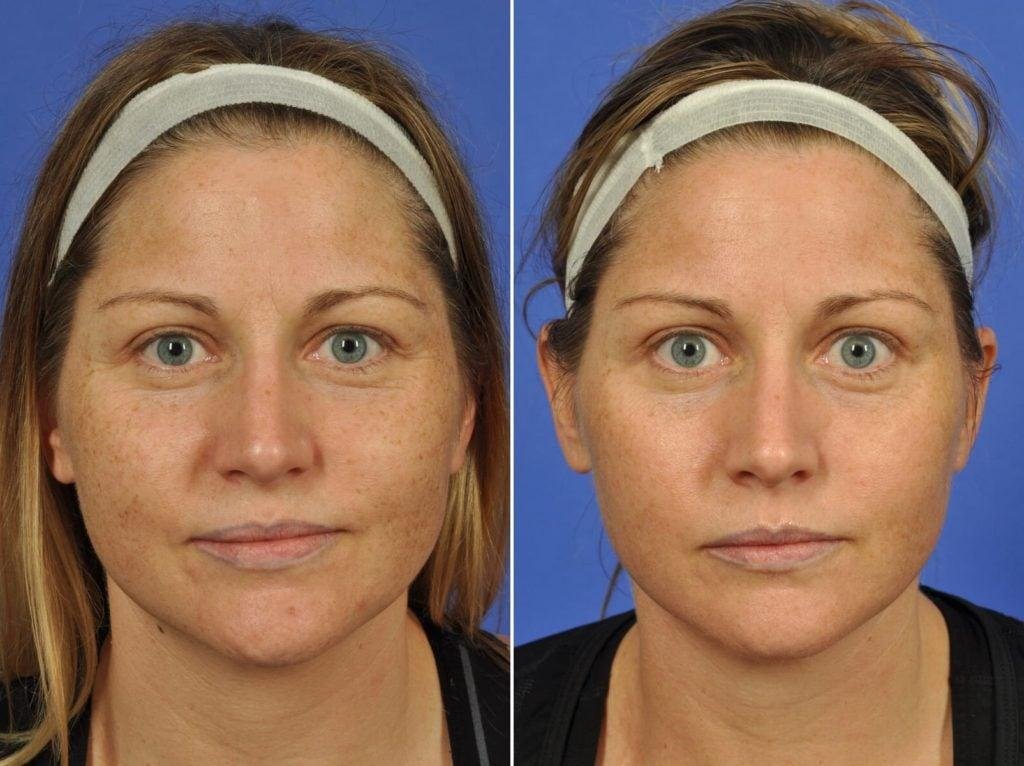
Hyperpigmentation is one of the most common skin concerns that patients bring into the dermatology clinic. Whether it manifests as stubborn sun spots, lingering post-acne marks, or the hormonally driven patches of melasma, uneven skin tone can significantly impact an individual’s self-esteem. Over the past decade, advancements in aesthetic technology have revolutionized how we manage stubborn pigment. Among the myriad of topical creams and chemical peels available, Laser Treatments for Hyperpigmentation stand out as some of the most precise and powerful tools in our clinical arsenal.
However, lasers are not a magic wand. They require deep clinical expertise, precise patient selection, and a comprehensive understanding of skin biology. From a dermatologist’s point of view, achieving clear, radiant skin requires balancing aggressive pigment clearance with the utmost respect for skin safety, particularly for individuals with deeper skin tones.
Understanding Hyperpigmentation and Its Root Causes
To effectively treat dark spots, we must first understand why they occur. Hyperpigmentation happens when the skin produces an excess of melanin, the pigment responsible for giving our skin, hair, and eyes their color. This overproduction is triggered by several biological mechanisms.
Melanin and Skin Tone Variations
Melanin is produced by specialized cells called melanocytes, which reside in the basal layer of the epidermis. Every human being has a similar number of melanocytes, but their level of activity and the type of melanin they produce differ based on genetics. Eumelanin provides brown-black protection and is dominant in darker skin types, while pheomelanin provides red-yellow tones and is more common in lighter skin types. When treating pigment with energy-based devices, understanding this baseline melanin distribution is vital to preventing complications like post-inflammatory hyperpigmentation or hypopigmentation.
Common Triggers: UV Damage, Hormones, and Post-Inflammatory Hyperpigmentation
The triggers for excess melanin production are diverse. Ultraviolet (UV) radiation from the sun is the leading culprit, resulting in solar lentigines, commonly known as sun spots or age spots. Hormonal fluctuations, particularly involving estrogen and progesterone, stimulate melanocytes to create symmetrical patches on the face, a condition known as melasma. Finally, any form of skin trauma—ranging from severe acne breakouts and burns to aggressive cosmetic procedures—can trigger post-inflammatory hyperpigmentation (PIH), where the skin overreacts to inflammation by leaving a dark mark long after the wound has healed.
How Laser Treatments for Hyperpigmentation Work
When topical regimens fail to penetrate deep enough or work fast enough, energy-based devices offer a targeted solution. The fundamental mechanism behind these procedures relies on physics and biology working in harmony.
Selective Photothermolysis Explained
The cornerstone of modern dermatologic lasers is the principle of selective photothermolysis. This concept involves choosing a specific wavelength of light that is preferentially absorbed by a target chromophore—in the case of hyperpigmentation, the target is melanin. The laser energy is delivered in ultra-short pulses, heating up and shattering the melanin deposits without damaging the surrounding tissue. Once broken down into microscopic fragments, the body’s natural immune cells, specifically macrophages, clear away the pigment debris over the subsequent days and weeks.
Ablative vs. Non-Ablative Technologies
When evaluating Laser Treatments for Hyperpigmentation, dermatologists generally divide technologies into two categories: ablative and non-ablative. Ablative lasers, such as carbon dioxide (CO2) or erbium YAG lasers, vaporize the top layers of the skin, forcing the skin to regenerate completely. While highly effective for severe sun damage and texture, they carry a higher risk of downtime and pigmentary complications. Non-ablative lasers, on the other hand, leave the outer layer of the skin intact while heating the deeper dermal and epidermal layers to target pigment and stimulate collagen production, offering a safer profile for many pigment disorders.
The Core Laser Technologies Used Today
Dermatologists utilize several different device categories depending on the depth and type of the pigment being treated.
Q-Switched and Picosecond Lasers
Q-switched and picosecond lasers are the gold standard for treating discrete pigmented lesions like solar lentigines, freckles, and even certain types of tattoos. Picosecond lasers deliver energy in trillionths of a second, creating a photoacoustic shockwave that shatters melanin particles into much finer dust compared to older nanosecond technologies. This precise shattering allows for faster clearance with fewer treatment sessions and less thermal damage to the surrounding skin.
Fractional Lasers
For diffuse pigment coupled with signs of photoaging, such as fine lines and rough texture, fractional resurfacing lasers are frequently employed. These devices create microscopic columns of thermal injury in the skin, prompting the body to shed old, pigmented cells and replace them with fresh, evenly pigmented tissue. Fractional non-ablative lasers are particularly useful for treating stubborn melasma when managed with extreme care and combined with strict sun protection.
Intense Pulsed Light (IPL)
While technically a broad-spectrum light source rather than a true laser, Intense Pulsed Light (IPL) is frequently grouped alongside Laser Treatments for Hyperpigmentation. IPL uses a broad spectrum of wavelengths that can be filtered to target superficial brown spots and broken capillaries simultaneously. It is an excellent option for generalized sun damage on the face, neck, and chest, though it must be used with caution on darker Fitzpatrick skin types to avoid burns or paradoxical hyperpigmentation.
What to Expect: Consultation, Procedure, and Recovery
Embarking on a laser journey requires careful preparation and realistic expectations. A successful outcome depends heavily on the steps taken before and after the device touches the skin.
The Critical Importance of Skin Typing (Fitzpatrick Scale)
Before any procedure, a thorough consultation is mandatory. Dermatologists categorize patients using the Fitzpatrick scale, which ranges from Type I (very fair, always burns) to Type VI (deeply pigmented, never burns). Lasers target melanin; therefore, if the surrounding skin contains a high concentration of natural melanin, the laser may accidentally target the skin itself rather than just the abnormal pigment. For darker skin types, specialized devices with longer wavelengths, such as Nd:YAG lasers, and extensive skin priming with topical melanin inhibitors (like hydroquinone, kojic acid, or tranexamic acid) are often required for several weeks prior to treatment.
Downtime and Post-Treatment Care
Depending on the aggressiveness of the procedure, downtime can range from zero to a week. Immediately following a session, patients can expect mild redness, a sensation similar to a mild sunburn, and the darkening of treated spots before they flake off. Diligent post-treatment care is non-negotiable. This includes avoiding direct sun exposure, using gentle cleansers, applying repairing moisturizers, and wearing a broad-spectrum mineral sunscreen of SPF 30 or higher every single day. Without strict sun protection, the pigment is virtually guaranteed to return.
Conclusion
Hyperpigmentation can be a persistent and frustrating condition, but modern aesthetic dermatology offers incredible solutions for achieving a clearer, more luminous complexion. By understanding the underlying biology of melanin and utilizing advanced energy-based technologies, Laser Treatments for Hyperpigmentation provide a sophisticated way to restore skin health. However, because lasers are powerful medical instruments, they should always be performed under the direct supervision of a board-certified dermatologist who can tailor a comprehensive, safe, and effective treatment plan customized to your unique skin type.